

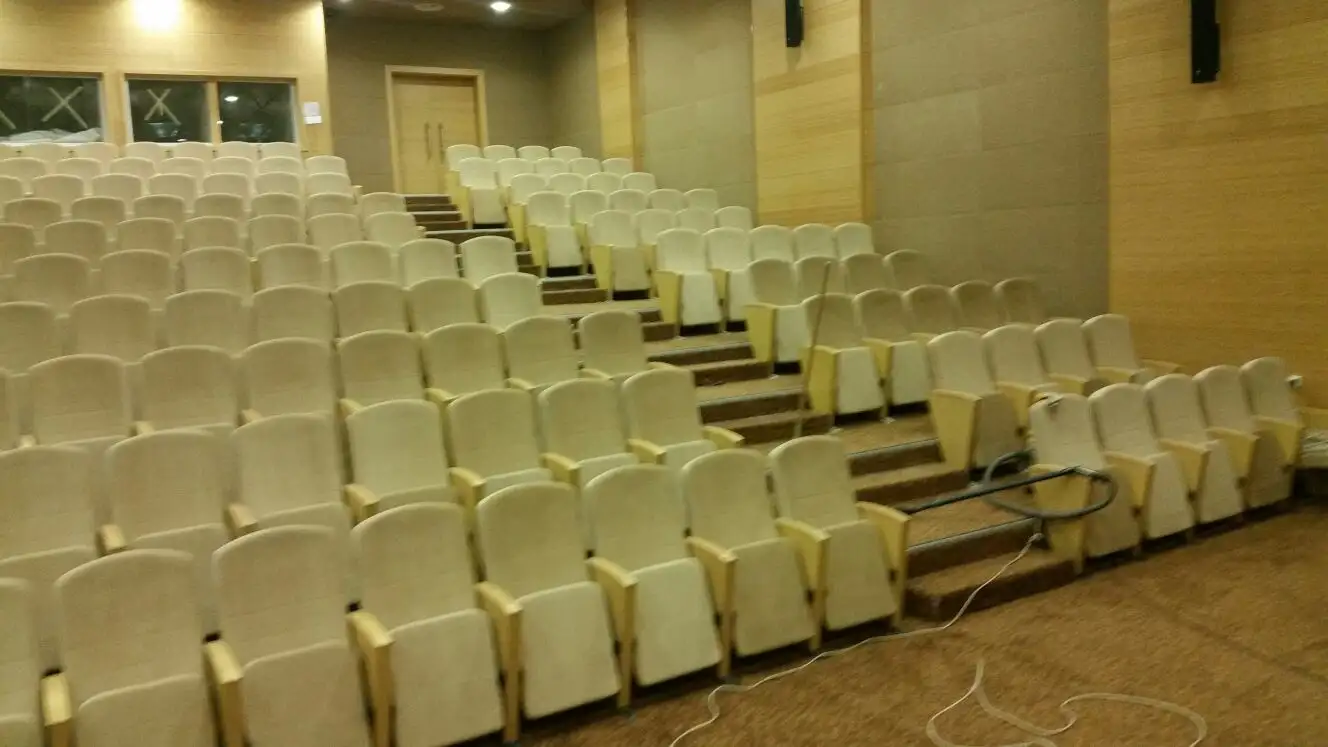
Inside Auditorium Seating Manufacturing
When selecting auditorium seating for a large-scale project, most buyers focus on design, pricing, and delivery timelines. However, the real difference between a short-term solution and a long-term investment lies in how the seating is manufactured.
Understanding the manufacturing process helps project owners, contractors, and architects make better decisions. A reliable auditorium seating manufacturer does not only produce chairs but builds systems designed for years of intensive use.
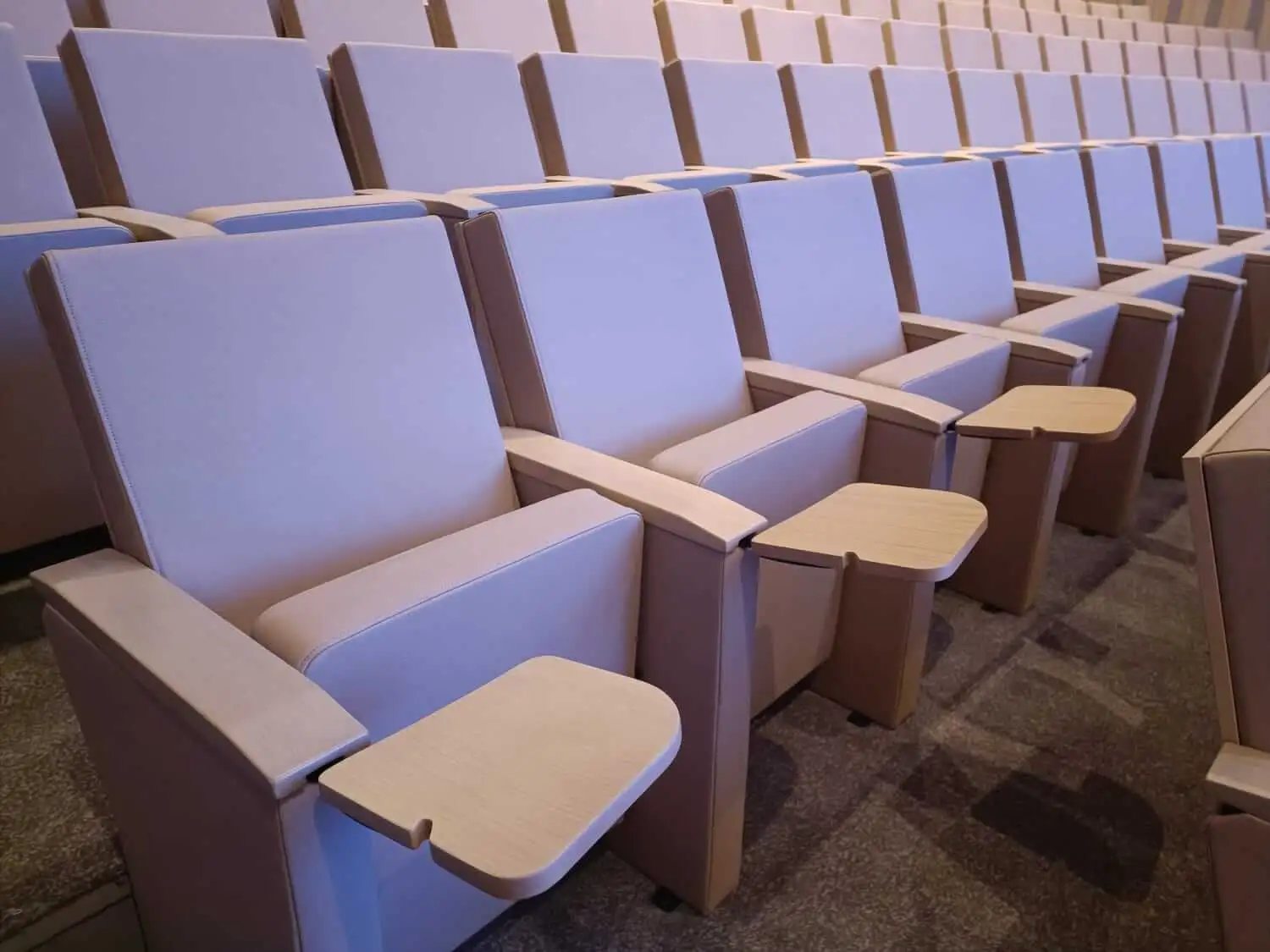
What Defines a True Auditorium Seating Manufacturer
Not every supplier is a manufacturer. Many companies act as resellers, offering limited control over quality and customization.
A real manufacturer has:
- In-house production facilities
- Engineering and R&D capabilities
- Mold design and tooling control
- Quality testing systems
- Flexibility for custom production
This level of control ensures consistency across large orders, which is essential for auditoriums with hundreds or thousands of seats.
Engineering Behind Auditorium Seating Systems
Auditorium seating is not a simple furniture product. It is a fixed system that must function reliably under constant use.
Each component is engineered to perform:
Structural Frame
The internal metal structure carries the load and ensures stability. High-quality systems use steel frames with protective coatings to prevent corrosion.
Folding Mechanism
The seat folding system is one of the most used components. It must operate smoothly thousands of times without failure or noise.
Molded Foam Technology
Instead of cut foam, advanced manufacturers use molded foam. This ensures:
- Consistent density
- Long-term shape retention
- Better comfort distribution
Backrest Support System
The angle and structure of the backrest directly affect ergonomics and durability.
Material Selection and Its Impact
Material choice is one of the biggest factors in determining product lifespan.
Upholstery Options
- Fabric for breathability and cost efficiency
- Faux leather for easy maintenance
- Real leather for premium environments
Protective Elements
Back covers made of plastic or wood protect the seat from impact damage, especially in high-traffic areas.
Surface Finishing
Electrostatic powder coating on metal parts increases resistance to scratches and corrosion.
Manufacturing Process Step by Step
A professional auditorium seating manufacturer follows a structured production process:
- Design and Technical Planning
Project requirements are analyzed, including layout, dimensions, and capacity. - Prototype Development
Samples are created to test comfort, dimensions, and materials. - Mass Production
Components are produced using controlled processes to ensure consistency. - Assembly and Quality Control
Each unit is checked for mechanical performance and finishing quality. - Packaging and Logistics
Seats are prepared for safe transportation, often in disassembled or semi-assembled form.
Custom Production for Auditorium Projects
Large projects rarely fit standard products. Customization is often required.
Typical custom options include:
- Seat width and spacing
- Row configuration
- Armrest design
- Writing tablets
- Seat numbering systems
- Fabric and color selection
A capable manufacturer can adapt production without compromising quality or lead time.
Certifications and International Standards
In many projects, compliance is not optional.
Common requirements include:
- Fire resistance standards
- Abrasion and durability tests
- UV resistance
- Structural strength certifications
Working with a certified manufacturer reduces risk and ensures project approval.
Challenges in Large-Scale Seating Projects
Auditorium seating projects come with unique challenges:
- Maintaining consistency across hundreds of seats
- Managing tight delivery schedules
- Ensuring compatibility with architectural design
- Minimizing installation time
An experienced manufacturer anticipates these challenges and plans production accordingly.
How to Choose the Right Auditorium Seating Manufacturer
Selecting the right partner is as important as selecting the product.
Key factors to evaluate:
- Production capacity
- Experience in large projects
- Ability to provide technical drawings
- Flexibility in customization
- Quality control processes
- Clear communication and support
Choosing based only on price often leads to long-term issues.
Long-Term Performance and Maintenance
Well-manufactured auditorium seating is designed for durability.
Advantages include:
- Reduced maintenance costs
- Replaceable components
- Consistent appearance over time
- Resistance to heavy use
This ensures that the seating remains functional and visually consistent for years.
Conclusion
Auditorium seating manufacturing is a complex process that combines engineering, materials, and production expertise. Understanding how seating is designed and produced allows project stakeholders to make informed decisions.
Working with a true manufacturer ensures reliability, customization, and long-term value, making it the most critical factor in any auditorium seating project.
Created By : Monseat